
 Image 1 of 1
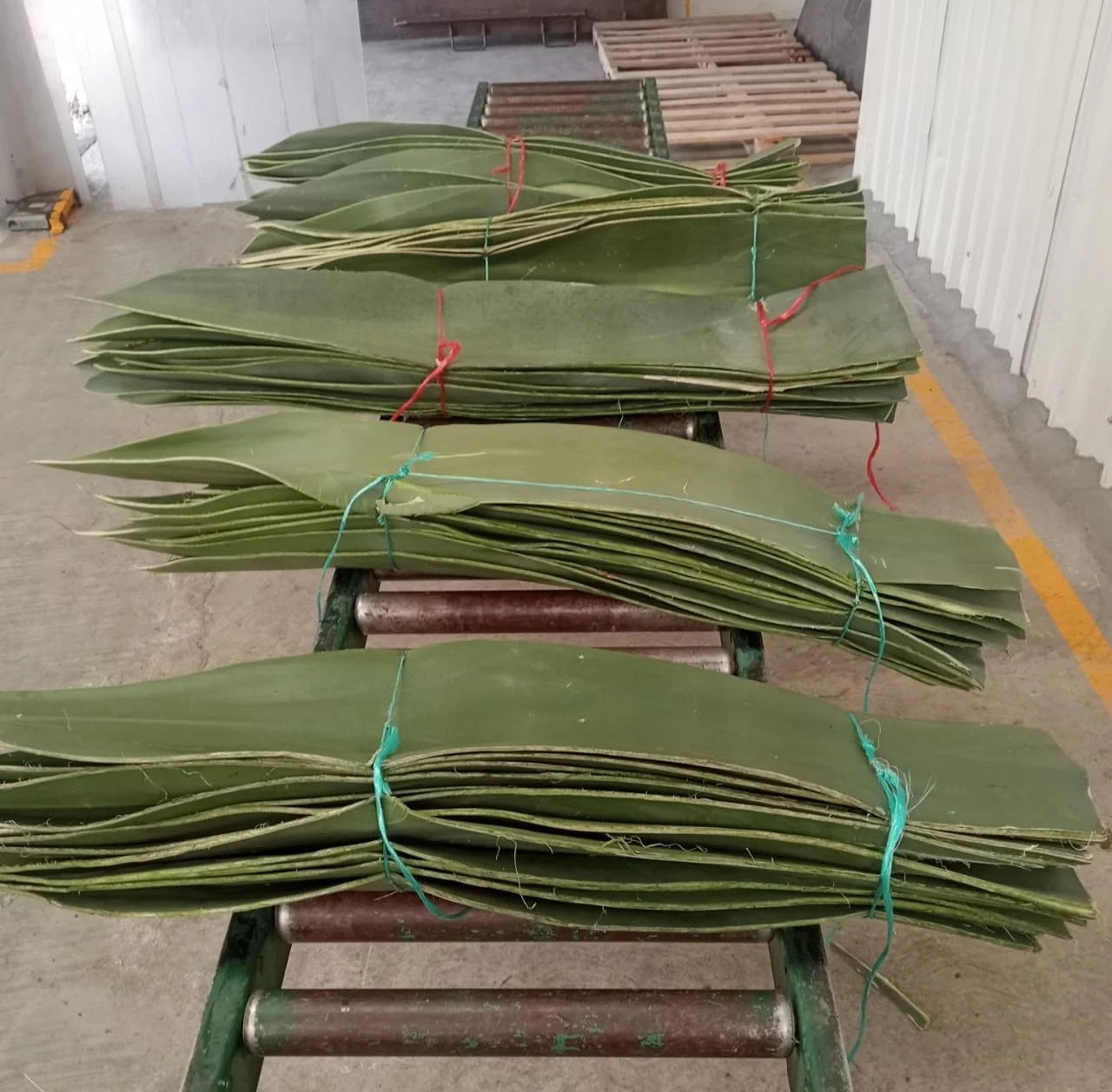
Scientific Name: Agave americana
Common Usage: Used to wrap barbacoa or as a liner for cooking meats, especially in Oaxaca, imparting a smoky, earthy flavor. Also used in stews.
Unusual Ways to Consume: The sap (aguamiel) is fermented into pulque, a traditional Mexican drink with potential antimicrobial properties. Roasted maguey leaves can be eaten as a vegetable or used to make a chewy snack.
How to Eat: Used whole for wrapping or chopped for stews. The inner flesh softens after cooking, offering a fibrous texture.
Nutritional Benefits: Limited data exists, but maguey leaves are high in fiber and contain vitamins (A, C) and minerals (calcium, potassium). The sap has bioactive compounds that may support gut health.
Culinary Versatility: Primarily used in traditional Mexican cooking, but also for producing mescal and tequila from the sap. Its cultural significance resonates with Hispanic communities in the US.
Seasonality: Available year-round as a perennial plant.
Scientific Name: Agave americana
Common Usage: Used to wrap barbacoa or as a liner for cooking meats, especially in Oaxaca, imparting a smoky, earthy flavor. Also used in stews.
Unusual Ways to Consume: The sap (aguamiel) is fermented into pulque, a traditional Mexican drink with potential antimicrobial properties. Roasted maguey leaves can be eaten as a vegetable or used to make a chewy snack.
How to Eat: Used whole for wrapping or chopped for stews. The inner flesh softens after cooking, offering a fibrous texture.
Nutritional Benefits: Limited data exists, but maguey leaves are high in fiber and contain vitamins (A, C) and minerals (calcium, potassium). The sap has bioactive compounds that may support gut health.
Culinary Versatility: Primarily used in traditional Mexican cooking, but also for producing mescal and tequila from the sap. Its cultural significance resonates with Hispanic communities in the US.
Seasonality: Available year-round as a perennial plant.