
 Image 1 of 2
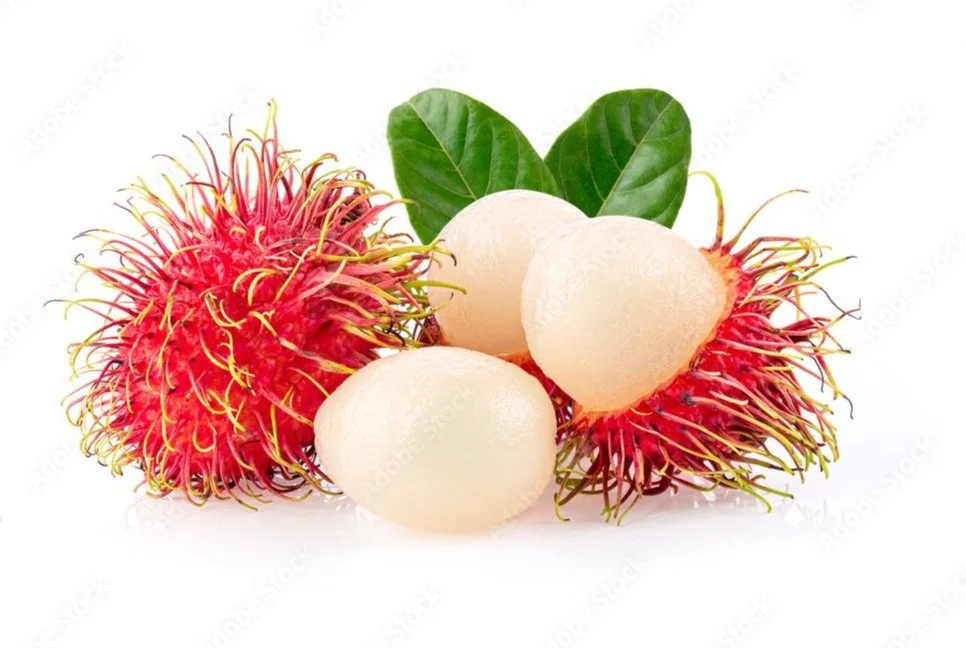 Image 2 of 2
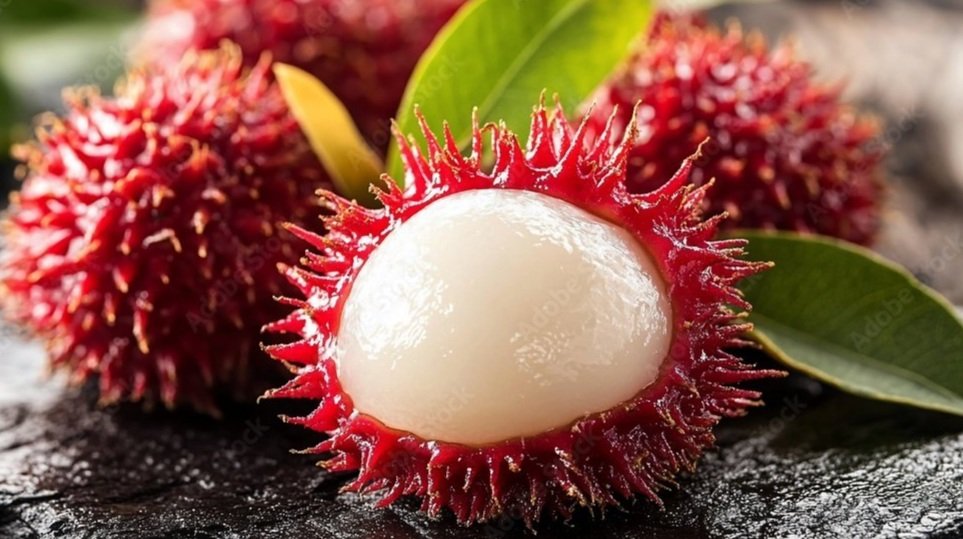
Scientific Name: Nephelium lappaceum
Common Usage: Eaten fresh for its sweet, juicy flesh; used in fruit salads, desserts, and drinks.
Unusual Ways to Consume: In jams, smoothies, or as a garnish for tropical cocktails. The seeds are used in traditional medicine for their bioactive compounds.
How to Eat: Peel the hairy skin and eat the pulp raw or in recipes.
Nutritional Benefits: Per 100g:
Calories: 69 kcal
Protein: 0.9 g
Fat: 0.4 g
Carbohydrates: 17 g
Fiber: 1.9 g (8% DV)
Vitamin C: 42 mg (70% DV)
Iron: 0.7 mg (4% DV)High in vitamin C, supporting immune health, a key US dietary need (Healthline).
Culinary Versatility: Used in tropical dishes, appealing to US consumers seeking exotic flavors.
Seasonality: June to August; available year-round via imports.
Scientific Name: Nephelium lappaceum
Common Usage: Eaten fresh for its sweet, juicy flesh; used in fruit salads, desserts, and drinks.
Unusual Ways to Consume: In jams, smoothies, or as a garnish for tropical cocktails. The seeds are used in traditional medicine for their bioactive compounds.
How to Eat: Peel the hairy skin and eat the pulp raw or in recipes.
Nutritional Benefits: Per 100g:
Calories: 69 kcal
Protein: 0.9 g
Fat: 0.4 g
Carbohydrates: 17 g
Fiber: 1.9 g (8% DV)
Vitamin C: 42 mg (70% DV)
Iron: 0.7 mg (4% DV)High in vitamin C, supporting immune health, a key US dietary need (Healthline).
Culinary Versatility: Used in tropical dishes, appealing to US consumers seeking exotic flavors.
Seasonality: June to August; available year-round via imports.