
 Image 1 of 3
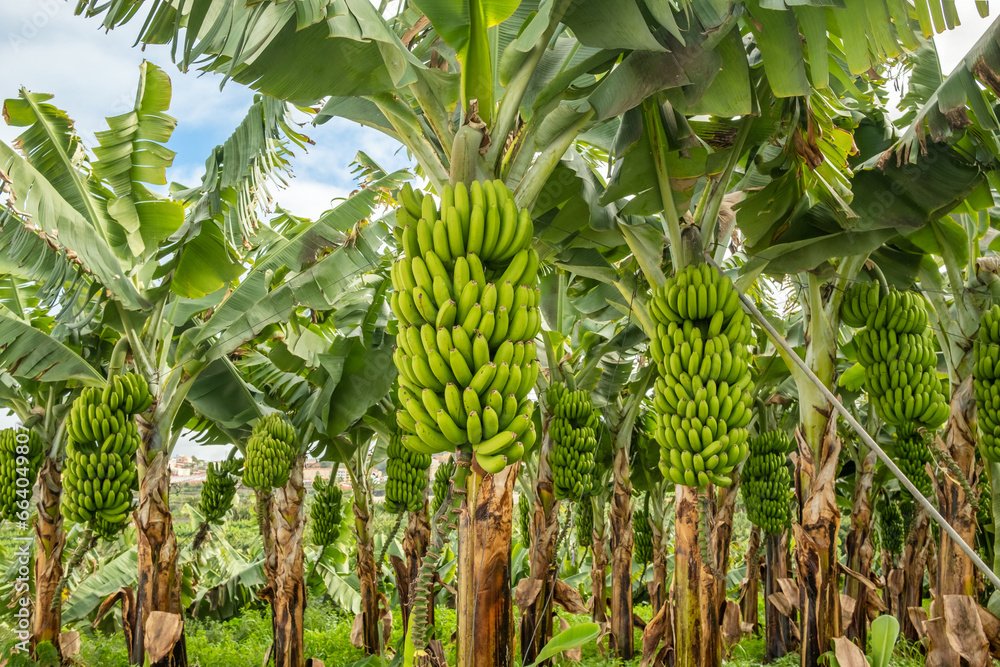 Image 2 of 3
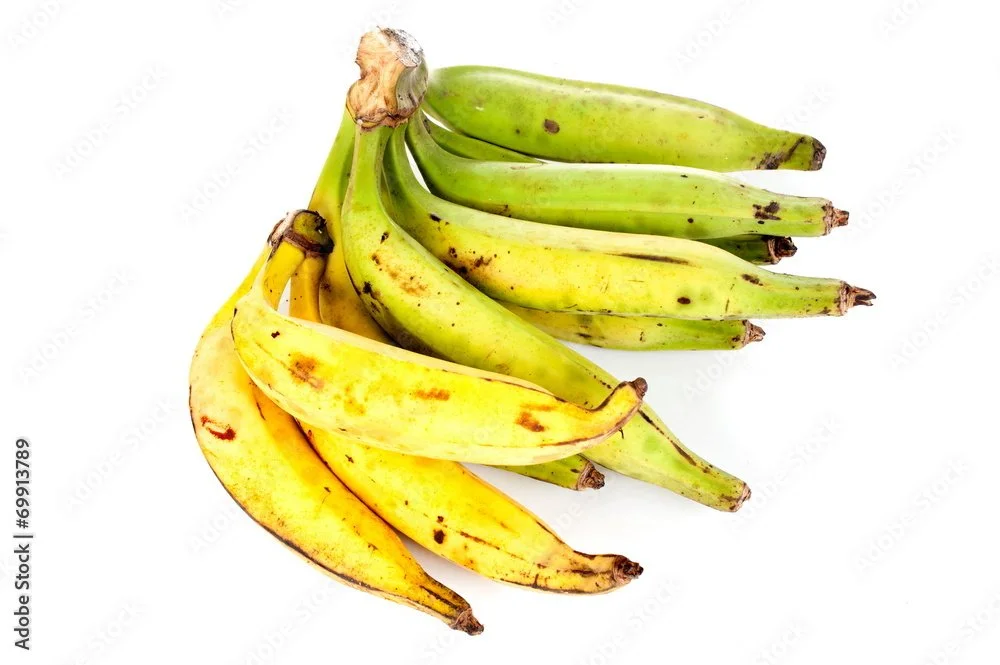 Image 3 of 3
Scientific Name: Musa × paradisiaca
Common Usage: Cooked as a staple in dishes like tostones (fried green plantains), mofongo, or maduros (sweet ripe plantains).
Unusual Ways to Consume: Used in gluten-free baking (plantain flour), as plantain chips, or as a base for savory pies. Its resistant starch supports gut health (Healthline).
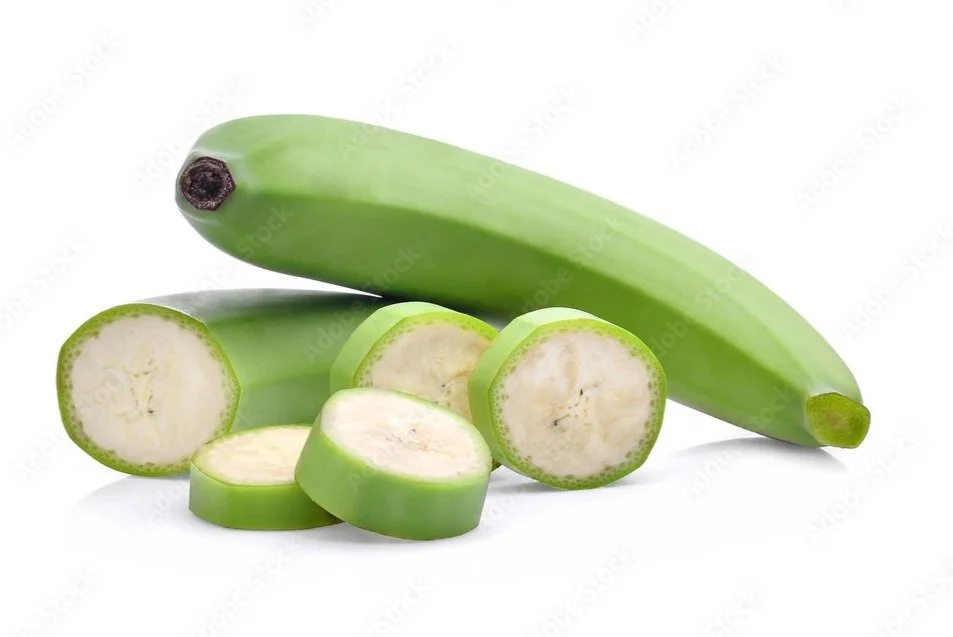
How to Eat: Green for savory dishes (boiled, fried); ripe for sweet or savory (baked, fried).
Nutritional Benefits: Per 100g (green):
Calories: 122 kcal
Protein: 1.3 g
Fat: 0.3 g
Carbohydrates: 31.4 g
Fiber: 2.3 g (9% DV)
Vitamin C: 18.4 mg (31% DV)
Potassium: 499 mg (10% DV)High in carbohydrates and potassium, supporting energy and heart health.
Culinary Versatility: A versatile starch substitute in Latin American and Caribbean cuisines, popular in the US among Hispanic populations.
Seasonality: Available year-round in tropical climates.
Scientific Name: Musa × paradisiaca
Common Usage: Cooked as a staple in dishes like tostones (fried green plantains), mofongo, or maduros (sweet ripe plantains).
Unusual Ways to Consume: Used in gluten-free baking (plantain flour), as plantain chips, or as a base for savory pies. Its resistant starch supports gut health (Healthline).
How to Eat: Green for savory dishes (boiled, fried); ripe for sweet or savory (baked, fried).
Nutritional Benefits: Per 100g (green):
Calories: 122 kcal
Protein: 1.3 g
Fat: 0.3 g
Carbohydrates: 31.4 g
Fiber: 2.3 g (9% DV)
Vitamin C: 18.4 mg (31% DV)
Potassium: 499 mg (10% DV)High in carbohydrates and potassium, supporting energy and heart health.
Culinary Versatility: A versatile starch substitute in Latin American and Caribbean cuisines, popular in the US among Hispanic populations.
Seasonality: Available year-round in tropical climates.