
 Image 1 of 2
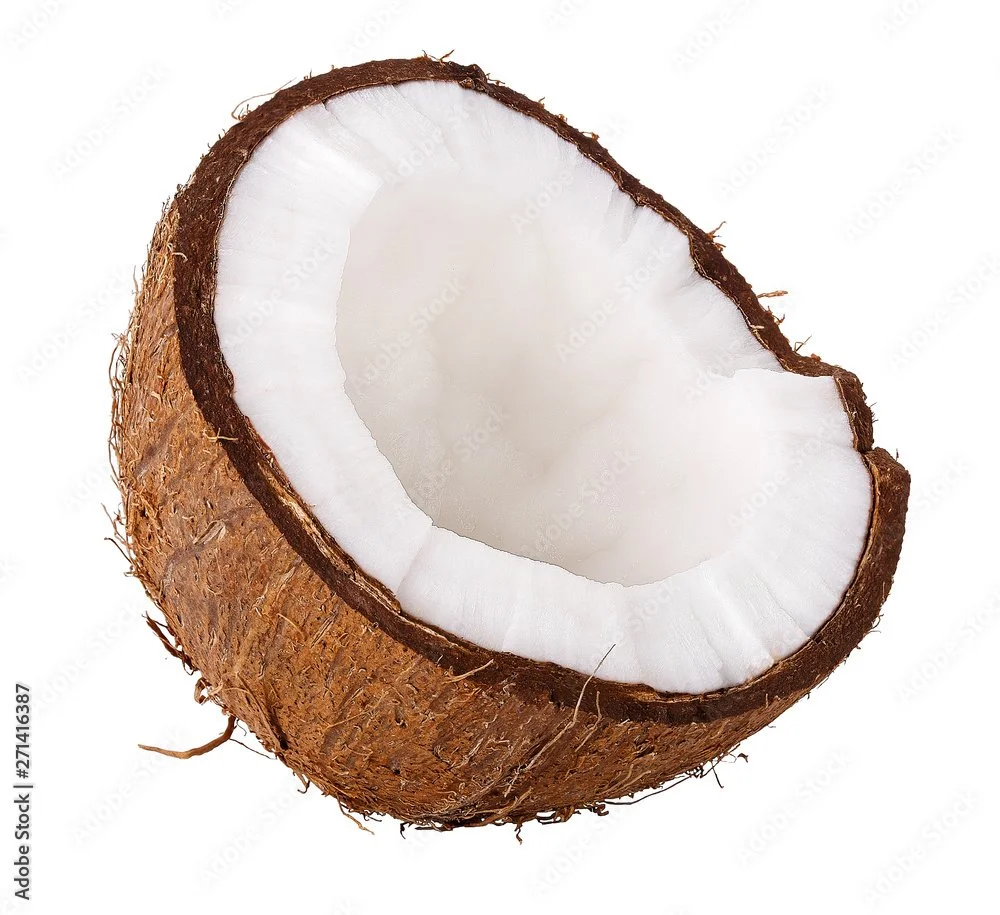 Image 2 of 2
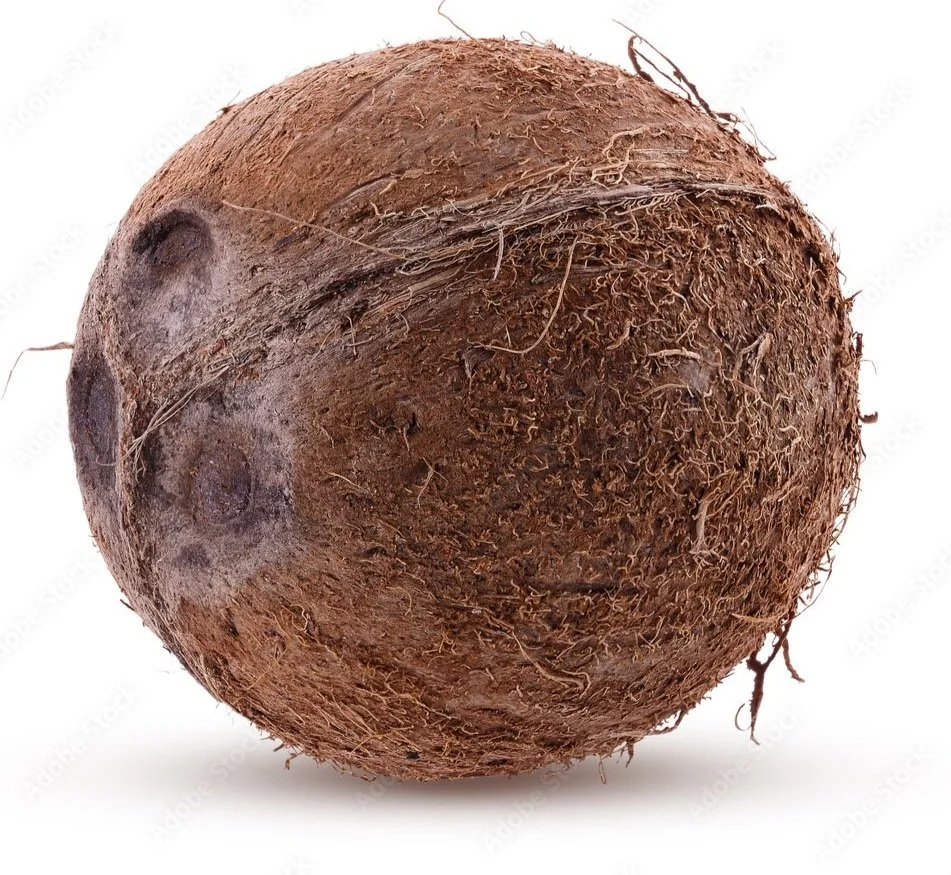
Scientific Name: Cocos nucifera
Common Usage: Used for its water, flesh, oil, and milk in sweet and savory dishes.
Unusual Ways to Consume: Coconut water in cocktails, coconut flour in gluten-free baking, or coconut oil as a health supplement for its medium-chain triglycerides.
How to Eat: Eat fresh flesh, use dried (copra) in baking, or process into oil, milk, or cream. Water is drunk directly or bottled.
Nutritional Benefits: Per 100g (flesh):
Calories: 354 kcal
Protein: 3.3 g
Fat: 33.5 g
Carbohydrates: 15.2 g
Fiber: 9 g (36% DV)
Vitamin C: 3.3 mg (6% DV)
Potassium: 356 mg (8% DV)Coconut water is hydrating and rich in electrolytes, appealing to US fitness enthusiasts.
Culinary Versatility: Used in curries, desserts, smoothies, and baking, with broad appeal in the US.
Seasonality: Available year-round.
Scientific Name: Cocos nucifera
Common Usage: Used for its water, flesh, oil, and milk in sweet and savory dishes.
Unusual Ways to Consume: Coconut water in cocktails, coconut flour in gluten-free baking, or coconut oil as a health supplement for its medium-chain triglycerides.
How to Eat: Eat fresh flesh, use dried (copra) in baking, or process into oil, milk, or cream. Water is drunk directly or bottled.
Nutritional Benefits: Per 100g (flesh):
Calories: 354 kcal
Protein: 3.3 g
Fat: 33.5 g
Carbohydrates: 15.2 g
Fiber: 9 g (36% DV)
Vitamin C: 3.3 mg (6% DV)
Potassium: 356 mg (8% DV)Coconut water is hydrating and rich in electrolytes, appealing to US fitness enthusiasts.
Culinary Versatility: Used in curries, desserts, smoothies, and baking, with broad appeal in the US.
Seasonality: Available year-round.