
 Image 1 of 4
 Image 2 of 4
 Image 3 of 4
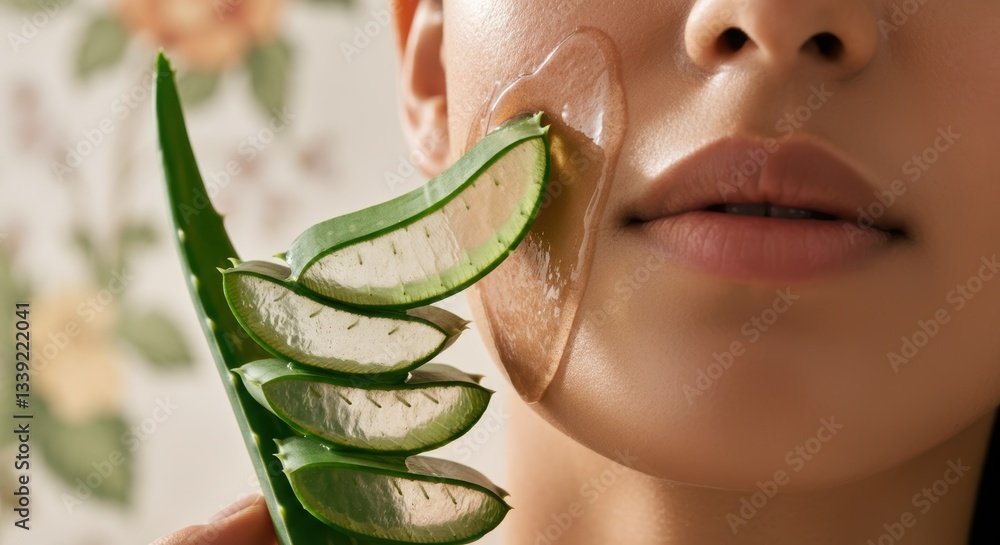 Image 4 of 4
Scientific Name: Aloe barbadensis miller
Common Usage: The gel is used topically for skin healing and consumed in health drinks or supplements.
Unusual Ways to Consume: Added to smoothies, detox drinks, or aloe vera cocktails for its enzymes and antioxidants. It can also be used in desserts like aloe vera jelly.
How to Eat: Extract the clear gel, eat raw, or blend into drinks. Avoid the bitter outer skin and yellow latex layer.
Nutritional Benefits: Per 100g gel:
Calories: 4 kcal
Protein: 0.1 g
Fat: 0.1 g
Carbohydrates: 0.9 g
Fiber: 0.2 g
Vitamin C: 3.7 mg (6% DV)
Vitamin E: 0.2 mg (1% DV)Contains enzymes (e.g., bromelain) and amino acids, with anti-inflammatory and digestive benefits, appealing to US health-conscious consumers.
Culinary Versatility: Used in beverages and some desserts. Its mild flavor makes it a versatile health food ingredient.
Seasonality: Available year-round.
Scientific Name: Aloe barbadensis miller
Common Usage: The gel is used topically for skin healing and consumed in health drinks or supplements.
Unusual Ways to Consume: Added to smoothies, detox drinks, or aloe vera cocktails for its enzymes and antioxidants. It can also be used in desserts like aloe vera jelly.
How to Eat: Extract the clear gel, eat raw, or blend into drinks. Avoid the bitter outer skin and yellow latex layer.
Nutritional Benefits: Per 100g gel:
Calories: 4 kcal
Protein: 0.1 g
Fat: 0.1 g
Carbohydrates: 0.9 g
Fiber: 0.2 g
Vitamin C: 3.7 mg (6% DV)
Vitamin E: 0.2 mg (1% DV)Contains enzymes (e.g., bromelain) and amino acids, with anti-inflammatory and digestive benefits, appealing to US health-conscious consumers.
Culinary Versatility: Used in beverages and some desserts. Its mild flavor makes it a versatile health food ingredient.
Seasonality: Available year-round.