
 Image 1 of 3
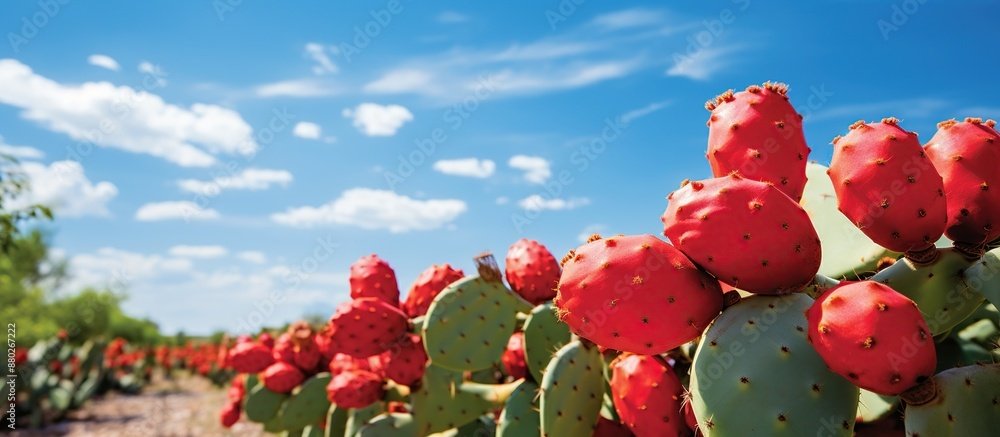 Image 2 of 3
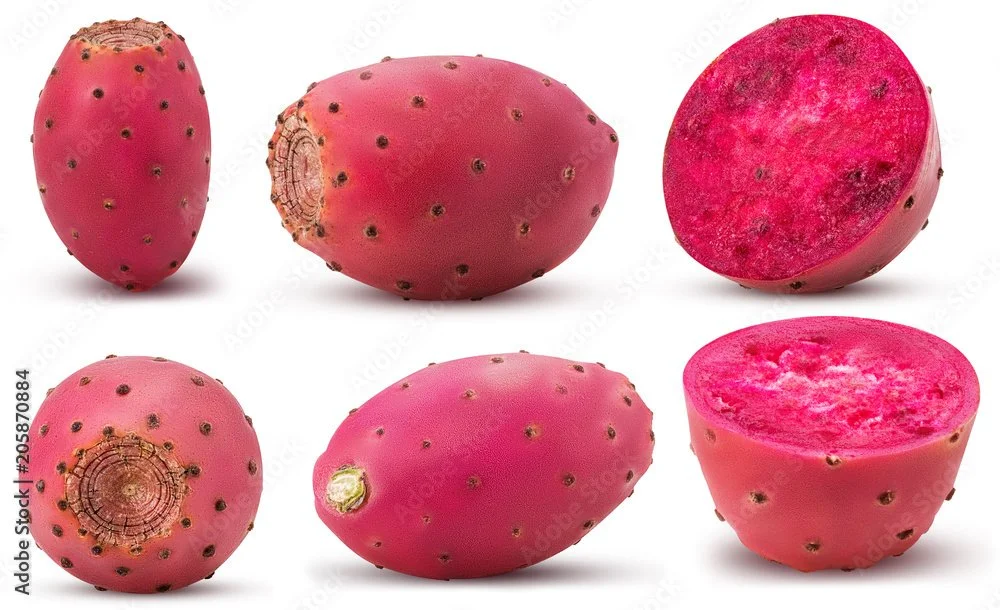 Image 3 of 3
Scientific Name: Opuntia ficus-indica (fruit)
Common Usage: Eaten fresh or used in salsas, juices, jams, and desserts in Mexican cuisine.
Unusual Ways to Consume: Blended into smoothies for its antioxidant content, used to make sorbet, prickly pear wine, or a tangy syrup for cocktails and desserts. Its vibrant color makes it a natural food dye.
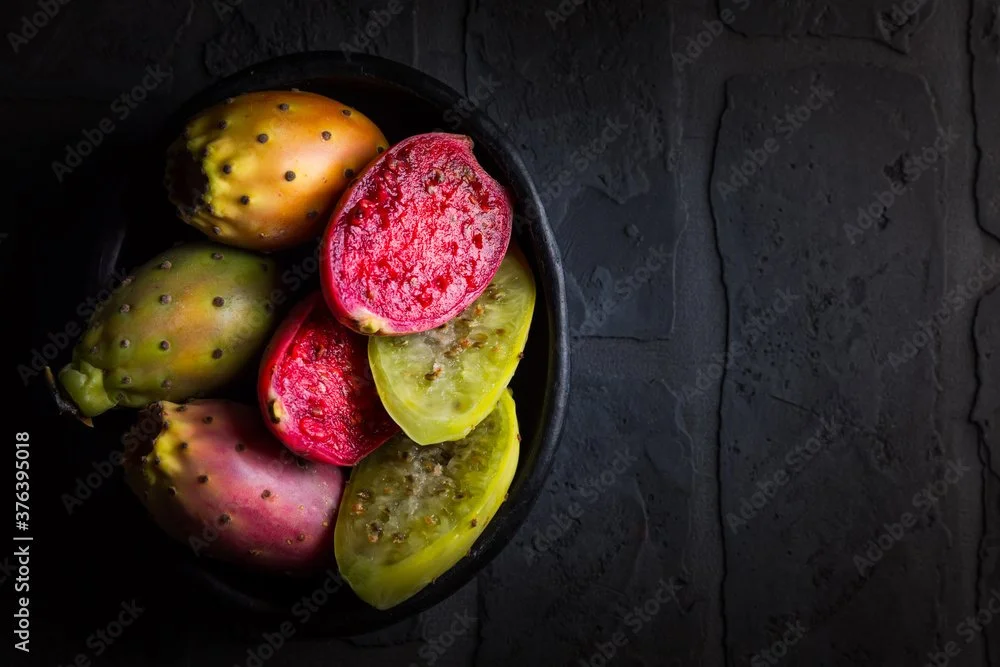
How to Eat: Peel the skin to remove small spines (glochids), then eat the juicy pulp raw or incorporate into recipes. The flavor is sweet with a hint of tartness.
Nutritional Benefits: Per 100g serving:
Calories: 41 kcal
Protein: 0.7 g
Fat: 0.4 g
Carbohydrates: 10 g
Fiber: 3.6 g (14% DV)
Vitamin C: 13.7 mg (23% DV)
Calcium: 53 mg (5% DV)
Magnesium: 19 mg (5% DV)
Potassium: 170 mg (4% DV)Rich in antioxidants (betalains), prickly pear may reduce inflammation and support heart health, addressing US dietary needs for chronic disease prevention (Healthline).
Culinary Versatility: Used in sweet (jams, aguas frescas) and savory (salsas) dishes. Its vibrant colors appeal to US consumers seeking visually appealing, healthy foods.
Seasonality: Peaks from late summer to early fall (September–November); available year-round via imports.
Scientific Name: Opuntia ficus-indica (fruit)
Common Usage: Eaten fresh or used in salsas, juices, jams, and desserts in Mexican cuisine.
Unusual Ways to Consume: Blended into smoothies for its antioxidant content, used to make sorbet, prickly pear wine, or a tangy syrup for cocktails and desserts. Its vibrant color makes it a natural food dye.
How to Eat: Peel the skin to remove small spines (glochids), then eat the juicy pulp raw or incorporate into recipes. The flavor is sweet with a hint of tartness.
Nutritional Benefits: Per 100g serving:
Calories: 41 kcal
Protein: 0.7 g
Fat: 0.4 g
Carbohydrates: 10 g
Fiber: 3.6 g (14% DV)
Vitamin C: 13.7 mg (23% DV)
Calcium: 53 mg (5% DV)
Magnesium: 19 mg (5% DV)
Potassium: 170 mg (4% DV)Rich in antioxidants (betalains), prickly pear may reduce inflammation and support heart health, addressing US dietary needs for chronic disease prevention (Healthline).
Culinary Versatility: Used in sweet (jams, aguas frescas) and savory (salsas) dishes. Its vibrant colors appeal to US consumers seeking visually appealing, healthy foods.
Seasonality: Peaks from late summer to early fall (September–November); available year-round via imports.