
 Image 1 of 2
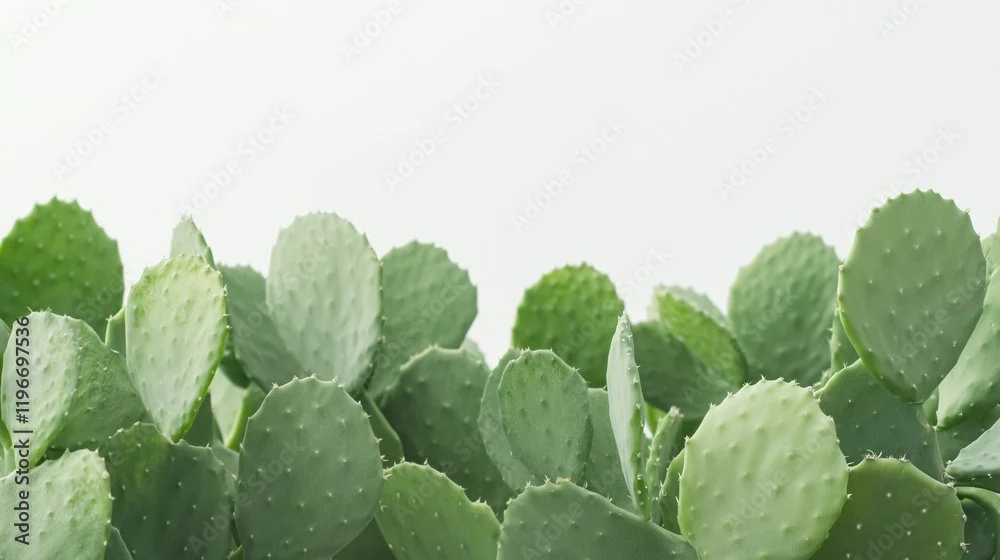 Image 2 of 2
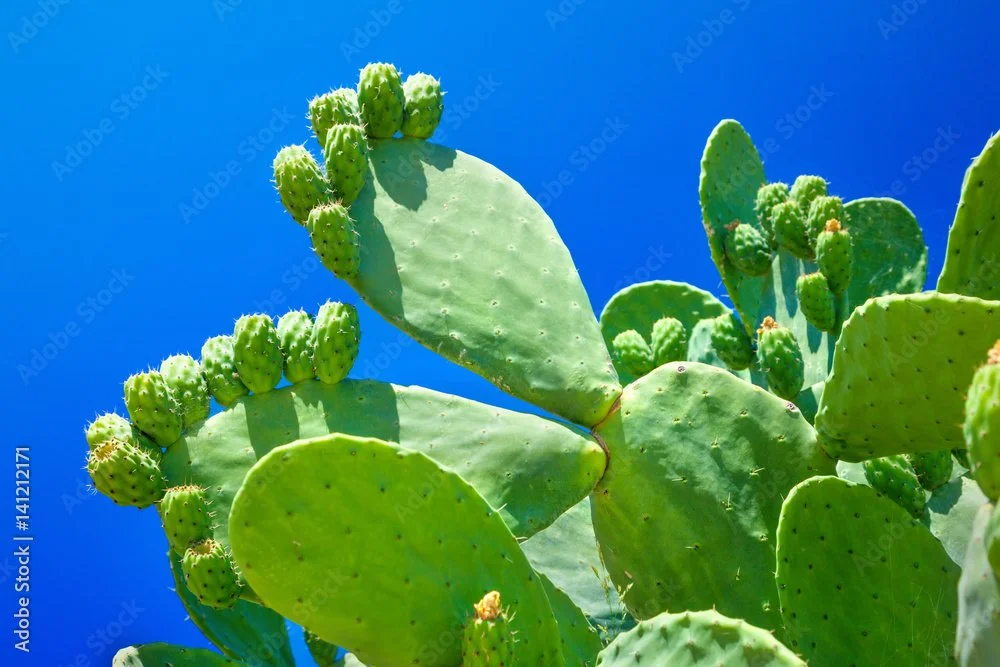
Scientific Name: Opuntia ficus-indica
Common Usage: A staple in Mexican cuisine, nopal is used in salads, tacos, soups, and salsas. It’s also processed into supplements like tablets or powders for health-conscious consumers.
Unusual Ways to Consume: Nopal juice is popular as a health drink, often blended into smoothies for its antioxidant properties. It can be used in vegan burgers as a binding agent or to make nopal jam, pickles, or even dehydrated chips for snacking. Research suggests nopal’s antiviral properties may support immune health (Healthline).
How to Eat: Remove spines and outer skin, then eat raw or cooked (sautéed, grilled, boiled). Its slightly tart flavor resembles green beans, with a mucilaginous texture.
Nutritional Benefits: Per 100g serving:
Calories: 36 kcal
Protein: 1.4 g
Fat: 0.2 g
Carbohydrates: 7.5 g
Fiber: 3 g (12% DV)
Vitamin C: 14 mg (23% DV)
Calcium: 168 mg (17% DV)
Magnesium: 85 mg (21% DV)
Potassium: 250 mg (5% DV)Nopal’s low glycemic index (32) makes it ideal for blood sugar management, a key concern in the US where diabetes prevalence is high. Its high fiber and antioxidant content (betalains) support digestive and cardiovascular health.
Culinary Versatility: Nopal is versatile in both savory dishes (e.g., nopalitos with eggs) and sweet applications (e.g., jams). Its growing popularity in the US reflects demand for low-calorie, nutrient-dense foods.
Seasonality: Available year-round in warm climates like Texas, with peak tenderness in spring and summer.
Scientific Name: Opuntia ficus-indica
Common Usage: A staple in Mexican cuisine, nopal is used in salads, tacos, soups, and salsas. It’s also processed into supplements like tablets or powders for health-conscious consumers.
Unusual Ways to Consume: Nopal juice is popular as a health drink, often blended into smoothies for its antioxidant properties. It can be used in vegan burgers as a binding agent or to make nopal jam, pickles, or even dehydrated chips for snacking. Research suggests nopal’s antiviral properties may support immune health (Healthline).
How to Eat: Remove spines and outer skin, then eat raw or cooked (sautéed, grilled, boiled). Its slightly tart flavor resembles green beans, with a mucilaginous texture.
Nutritional Benefits: Per 100g serving:
Calories: 36 kcal
Protein: 1.4 g
Fat: 0.2 g
Carbohydrates: 7.5 g
Fiber: 3 g (12% DV)
Vitamin C: 14 mg (23% DV)
Calcium: 168 mg (17% DV)
Magnesium: 85 mg (21% DV)
Potassium: 250 mg (5% DV)Nopal’s low glycemic index (32) makes it ideal for blood sugar management, a key concern in the US where diabetes prevalence is high. Its high fiber and antioxidant content (betalains) support digestive and cardiovascular health.
Culinary Versatility: Nopal is versatile in both savory dishes (e.g., nopalitos with eggs) and sweet applications (e.g., jams). Its growing popularity in the US reflects demand for low-calorie, nutrient-dense foods.
Seasonality: Available year-round in warm climates like Texas, with peak tenderness in spring and summer.